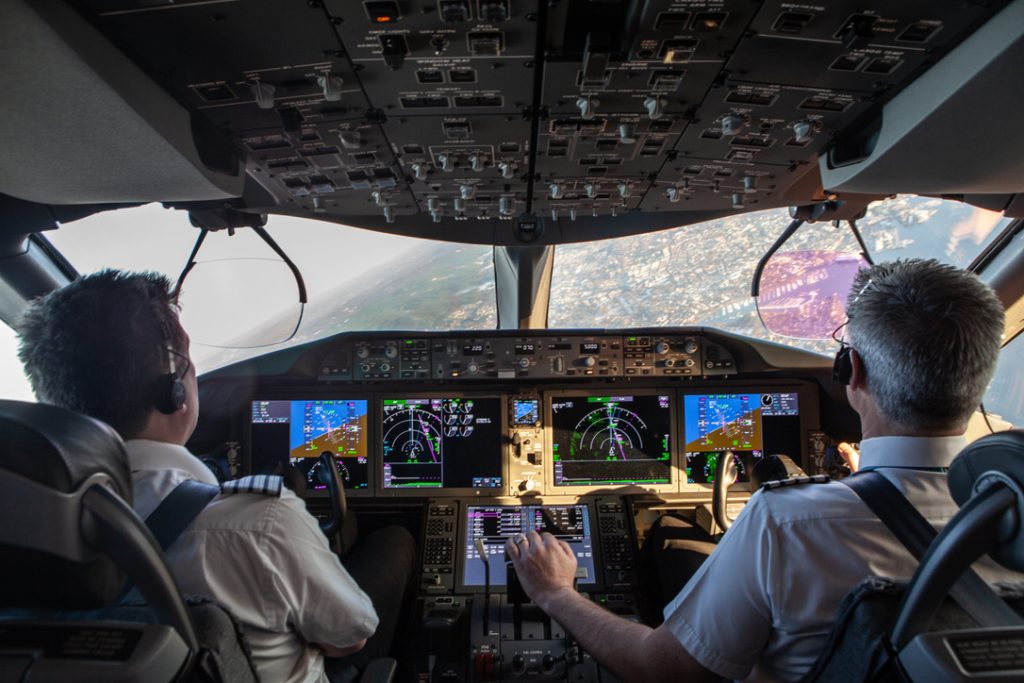
Norse b787 cockpit

How to Become a First Officer Pilot: Step‑by‑Step

If your goal is to work in the flightdeck of a commercial airline, the first professional milestone is becoming a First Officer pilot. But what does this role involve and how do you get there?

In this guide, we’ll explain how to become a First Officer pilot step‑by‑step, including the licenses, training, medical requirements, and experience needed to launch your airline career.

What Is a First Officer Pilot?

A First Officer (FO), also called a co-pilot, is the second-in-command on an aircraft. First Officers can act as pilot flying or monitoring (navigation, communication, and aircraft systems management).

So, when people ask “what is a first officer pilot?”, the answer is simple: it’s a professional pilot who works alongside the captain to operate commercial flights safely.

Step 1: Obtain a Class 1 Medical Certificate

Before you fly any commercial aircraft, you must hold a Class 1 Medical Certificate:

This ensures you meet the physical and health standards required for professional flying. 

Step 2: Enroll in an Airline Ready Program

To become a First Officer, you need structured professional training. At OSM Aviation Academy, our Airline Ready® Program prepares students to fly for airlines worldwide. Through this program, you earn:

  • EASA & FAA Commercial Pilot Licenses (CPL) with Multi-Engine and Instrument Ratings (ME/IR)
  • Frozen ATPL, meaning you complete ATPL theory exams while building flight experience

This integrated program allows you to start your career efficiently and directly toward the First Officer role.

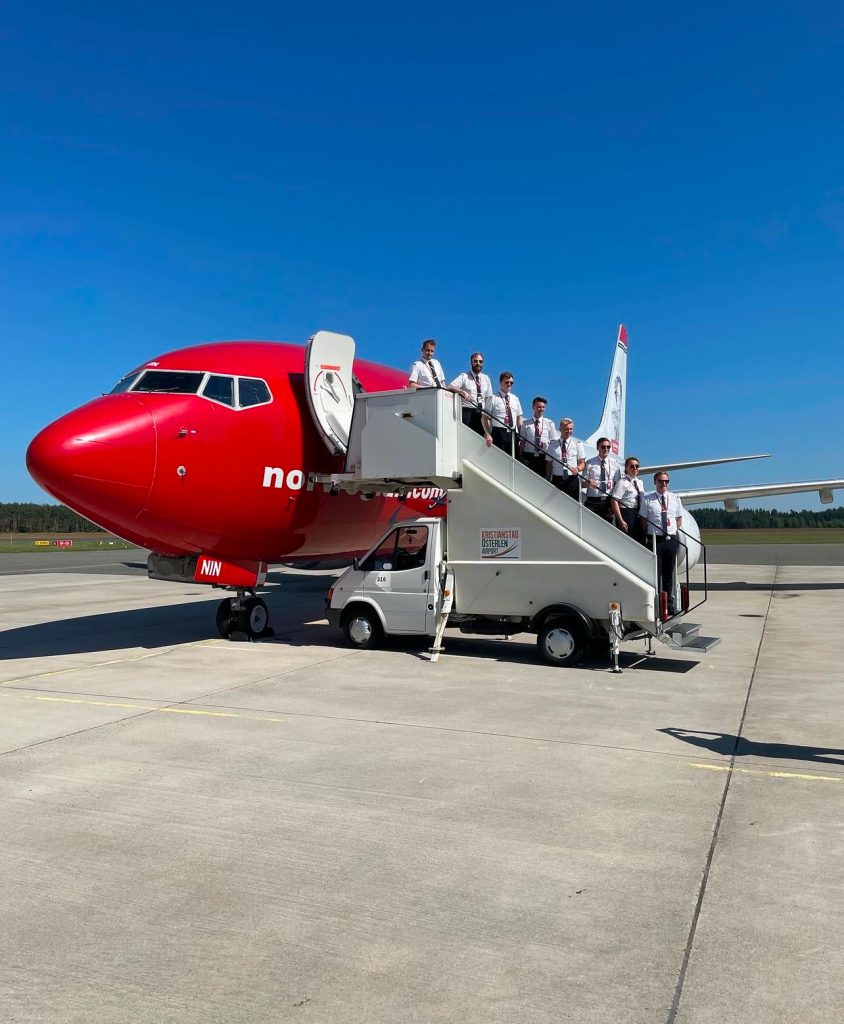
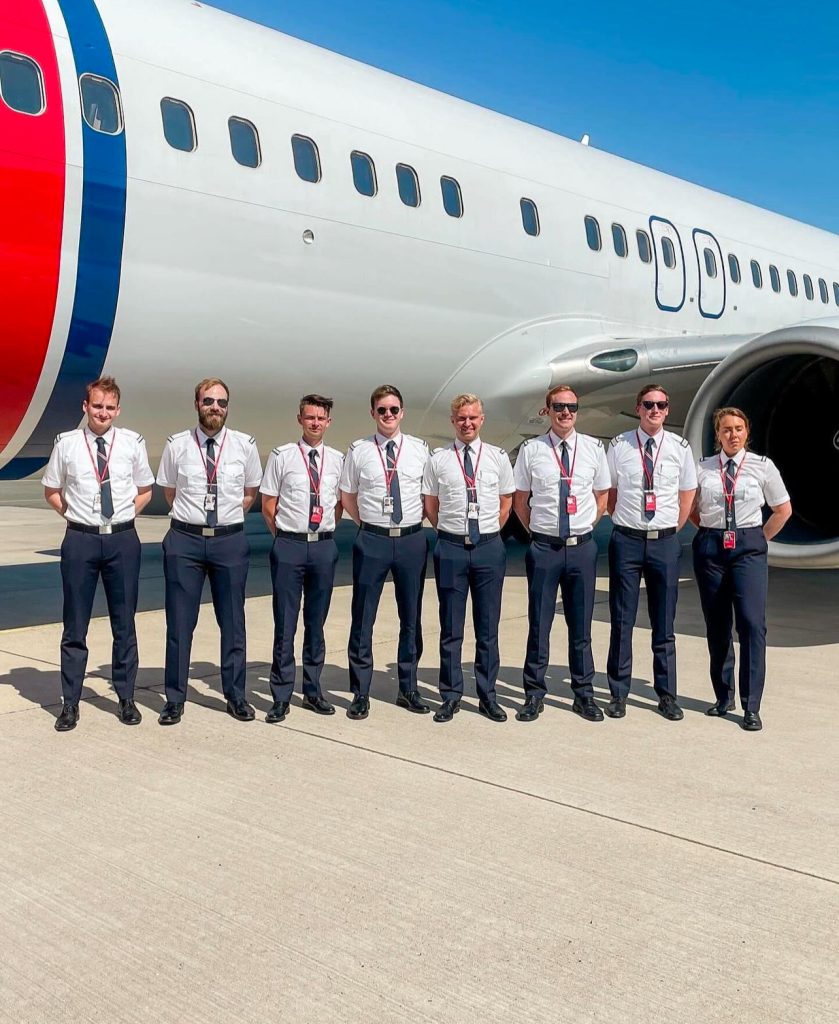
Alumni in front of Norwegian aircraft
Students in front of Norwegian b737

Step 3: Complete CPL (ME/IR) and Frozen ATPL

The Commercial Pilot License (CPL) allows you to fly professionally for compensation. Through OSM’s Airline Ready® Program, you’ll complete:

– Multi-Engine (ME) Rating to operate larger aircraft

– Instrument Rating (IR) to fly in low visibility and poor weather

– Frozen ATPL by passing all ATPL theory exams

Once completed, you’re ready to start your airline career once flight experience requirements are met.

Step 4: Gain Required Flight Experience

Airlines require pilots to have minimum flight experience before hiring as a First Officer:

– Multi-engine flight hours

– Instrument flight time

– Night and cross-country flying experience

With OSM’s Airline Ready® Program, this experience is integrated into your training, so you meet airline standards efficiently.

Step 5: Apply and Start Your Career as a First Officer

After earning your CPL (ME/IR) with frozen ATPL, meeting airline experience requirements, and holding a valid Class 1 Medical, you can become a First Officer.

This is the typical first step in a professional airline career, with opportunities to eventually upgrade to captain.

Summary: How to Become a First Officer Pilot

– Obtain a Class 1 Medical Certificate

– Enroll in an integrated Airline Ready Program (like OSM’s)

– Earn your CPL (ME/IR) and frozen ATPL

– Apply and start as a First Officer

Final Thoughts

Becoming a First Officer is the gateway to a rewarding airline career. At OSM Aviation Academy, our Airline Ready® Program provides both EASA & FAA CPL (ME/IR) with frozen ATPL, preparing you for airlines worldwide.

Ready to take off? Take our admission test and join OSM, and start your journey toward the cockpit today!